





Navigating the Grey Areas: Resolving Common Disputes Between Landlords & Tenants


Rental disputes in Australia usually come down to the same issues – unpaid rent, maintenance arguments, bond deductions, and unclear lease terms. This guide covers what landlords and tenants are each legally entitled to, how to handle unpaid rent the right way, and which documents actually protect you when things go wrong. Whether you’re trying to rent your property or you’ve been in the game for years, good rental property management and the right paperwork make all the difference between a quick fix and a VCAT hearing.
Landlord-tenant disputes are more common than most people think – and they take no time in becoming messy, sometimes even a legal nightmare. Whether you’re looking into “rent my property” ads or you’ve been in this business for years, knowing your rights and responsibilities makes all the difference. A leaky tap ignored for weeks, a bond argument on moving day, a tenant three weeks behind on rent – these situations come up all the time. This guide breaks down some of the big issues: unpaid rent, repairs, bonds, inspections, and the paperwork that saves everyone a headache down the track and keeps disputes under check.
What Are the Most Common Disputes Between Landlords and Tenants?
Honestly, most disputes come down to the same handful of issues. Here’s what comes up again and again, at least across Victoria:
- Repairs and maintenance: Who’s responsible, and what actually counts as “urgent”? This is probably the most common grey area in any tenancy.
- Bond claims: Is it fair wear and tear, or actual damage caused by the tenant? This one’s a classic end-of-lease argument that gets messy quickly.
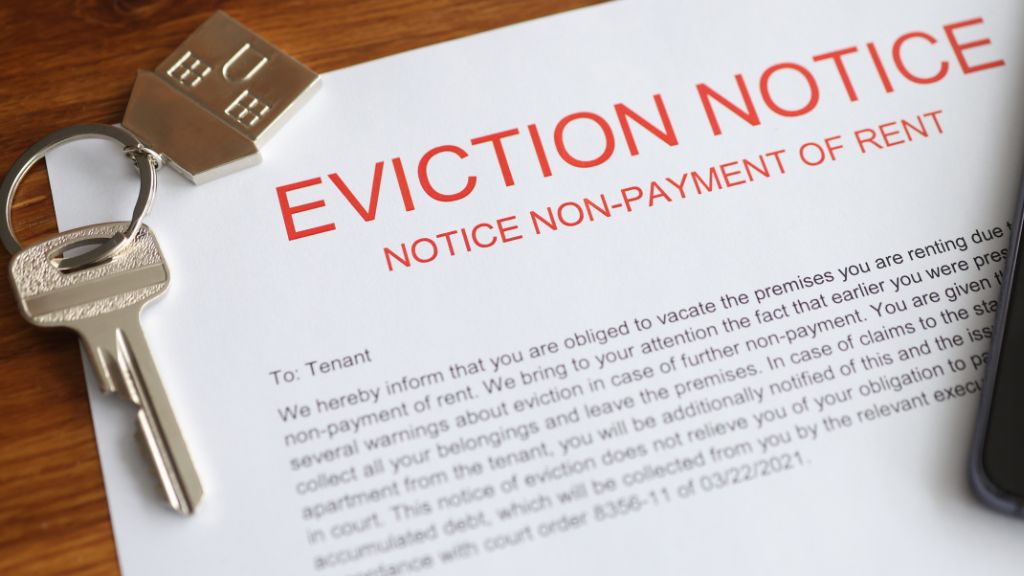
- Rent arrears: Rent that’s late, or stops coming altogether. Even a week or two behind can create real stress for a landlord managing a mortgage.
- Routine inspections: Tenants feel like their privacy isn’t being respected, or landlords are discovering issues that have been ignored for months.
- Pets and property changes: The rules have shifted a lot in recent years, and not every landlord or tenant is across the current legislation.
Most of these issues become disputes because expectations weren’t set clearly at the start of the tenancy. A solid lease agreement and an honest conversation upfront can fix many problems before they even begin.
Why Do Rental Payment Disputes Happen?

See, money’s always a touchy subject in any trade. When rent stops coming in, it usually traces back to one of these:
- Financial hardship: Job loss, a medical situation, or life throwing a curveball. It happens, and how you handle it matters.
- Broken communication: Some tenants think they can withhold rent if a repair hasn’t been done. Legally, that’s not how it works in Victoria, and acting on that assumption can create bigger problems for everyone.
- Bank or admin errors: A payment bounces, no one follows it up, and suddenly it’s been three weeks. These are usually the easiest disputes to fix, but only if someone catches them early.
- Confusion around rent increases: Some tenants genuinely don’t know when a rent rise kicks in, or they’re not sure if they got the right notice. A quick, clear conversation at the time of the increase stops this from becoming a bigger issue later.
Good rental property management takes the guesswork out of this entirely. When landlords get clear monthly statements, proper rent tracking, and fast communication, small problems get caught early – before they turn into a VCAT hearing.
What Legal Rights Do Landlords Have During a Dispute?
Tenants have gained stronger protections in recent years – but landlords still hold solid rights under the Residential Tenancies Act. As a landlord, you’re entitled to:
| Right | What It Means in Practice |
|---|---|
| Receive rent on time | Tenants must pay by the date agreed in the lease |
| Property upkeep | Tenants must keep the place reasonably clean and undamaged |
| Access with proper notice | You can inspect the property – but only with the correct notice |
| VCAT access | You can apply for a formal hearing if mediation doesn’t resolve things |
The keyword is “notice”. You can’t just show up unannounced. Follow the process, document everything, and your rights are well protected.
What Are Tenant Rights Around Maintenance and Repairs?
This is where a lot of landlords get caught out – often without realising it. The law is pretty specific here, and ignorance isn’t something worth the risk.
Urgent repairs must be dealt with immediately.
These include:
- Burst water pipes or services
- Gas leaks
- Blocked or broken toilets
- Serious roof leaks or structural damage
- Failure of heating during winter
Non-urgent repairs must be completed within 14 days of a formal written request from the tenant, not more than two months later, when it’s convenient for you. Fourteen days, no questions.
On top of that, the property must meet minimum standards – working locks, a weather-tight structure, a functional kitchen, and a proper bathroom. These aren’t optional extras; they’re legal requirements.
The cleanest way to manage repairs is to give tenants a straightforward way to log requests. When maintenance is tracked properly, tradies get booked faster, landlords stay informed, and nothing slips through the cracks.
How Can Landlords Legally Handle Unpaid Rent?
If a tenant is behind on rent, don’t just jump into impulsive actions. There’s a legal process – skip a step, and you can end up avoiding your own notice and more.
Step 1: Respect the grace period.
In Victoria, you can’t take formal action until the rent is more than 14 days overdue. Acting too early can actually work against you.
Step 2: Issue a Notice to Vacate.
Once you’ve crossed the 14-day period, you can serve a formal notice. Important caveat: if the tenant pays the full amount owed before the notice expires, it’s often void – particularly if this is a first offence.
Step 3: Try a conversation first.
This sounds obvious, but it works. A calm, direct phone call resolves more rent disputes than people expect. Many tenants are embarrassed, not deliberately dodging their obligations. A “people-first” approach often gets results faster than jumping straight to formal action.
Step 4: Apply to VCAT
You can apply to VCAT when nothing else lands. It’s there for a reason, and a well-documented case makes the process much smoother.
Professional rental property management means someone’s watching the rent records every single day – not checking in once a month and hoping everyone’s paid their part.
What Documentation Prevents Rental Disputes?
The best dispute is the one that never happens. These are the documents that protect everyone:
- Detailed condition report: Photos and videos at the start of every tenancy. Date-stamped, thorough, and signed off by both parties. This is your evidence if there’s a bond dispute at the end.
- Comprehensive lease agreement: Have every special condition in writing. No verbal agreements, no handshake deals.
- Communication logs: Record emails, texts, and calls throughout the tenancy. If it’s not documented, it’s very hard to rely on it later.
- Safety certificates: Gas and electrical compliance checks are now mandatory in Victoria. Not optional, not a suggestion – mandatory.
If you want to step into this “rent my property” business with as little drama as possible, getting this paperwork right from day one is where it starts.
Why Work With Besser & Co?
At Besser & Co, the team lives and breathes rental property management – it’s not an add-on, it’s the whole job. VCAT hearings, lease compliance, maintenance, tenant screening – it all gets handled, so you’re not the one fielding a call at 9pm on a Friday because a heater has suddenly stopped working.
Every property is different, and the approach reflects that. What works for a one-bedroom in Fitzroy isn’t the same as managing a family home in Brighton.
Got an investment property sitting on your hands? Let’s talk. Contact the Besser & Co team today for a free rental appraisal.
FAQs
What are the most common disputes between landlords and tenants?
Bond deductions, late rent, and maintenance arguments top the list – every time. Most come down to unclear expectations at the start of the tenancy, or poor communication once things go sideways.
How can I avoid tenant disputes when I rent my property?
When you rent my property, the groundwork matters most – a detailed condition report, a clear lease, and an honest conversation upfront saves a lot of pain later. Set expectations early and put everything in writing.
What should I do if a tenant stops paying rent?
Don’t panic, but don’t ignore it either. Try a direct conversation first – most of the time, there’s a fixable reason behind it. If rent stays unpaid past 14 days in Victoria, you can start the formal notice process.
Who is responsible for maintenance and repairs in a rental property?
Landlords are responsible for keeping the property safe, functional, and up to minimum standards – that includes urgent repairs like burst pipes or gas leaks. Tenants are responsible for keeping the place reasonably clean and reporting issues promptly.
How can rental property management help prevent conflicts?
Good rental property management means someone’s watching the details daily – rent tracking, maintenance follow-ups, compliance checks – so small issues get caught before they blow up. It also puts a professional in between landlord and tenant, which keeps emotions out of it.
What documentation is essential to protect landlords from disputes?
A thorough condition report with photos, a solid lease agreement, and a full communication log are your three non-negotiables. Safety certificates for gas and electricity are mandatory in Victoria too – don’t skip those.
How are bond disputes usually resolved?
Most bond disputes come down to one question: was it fair wear and tear, or actual damage? A detailed condition report from the start of the tenancy is what settles that argument. If both parties can’t agree, the matter goes to VCAT.
What is the legal process for handling serious tenant breaches?
It starts with a formal notice under the Residential Tenancies Act – the type depends on the breach. If the tenant doesn’t remedy it or vacate, the landlord can apply to VCAT for a hearing. Getting the paperwork right from the first step is critical because errors can send you back to square one.
How can clear communication reduce landlord-tenant disagreements?
Most disputes don’t start as legal problems – they start as misunderstandings that nobody addressed early enough. A quick call or message when something feels off usually stops it from escalating. Tenants who feel heard are far less likely to dig their heels in.