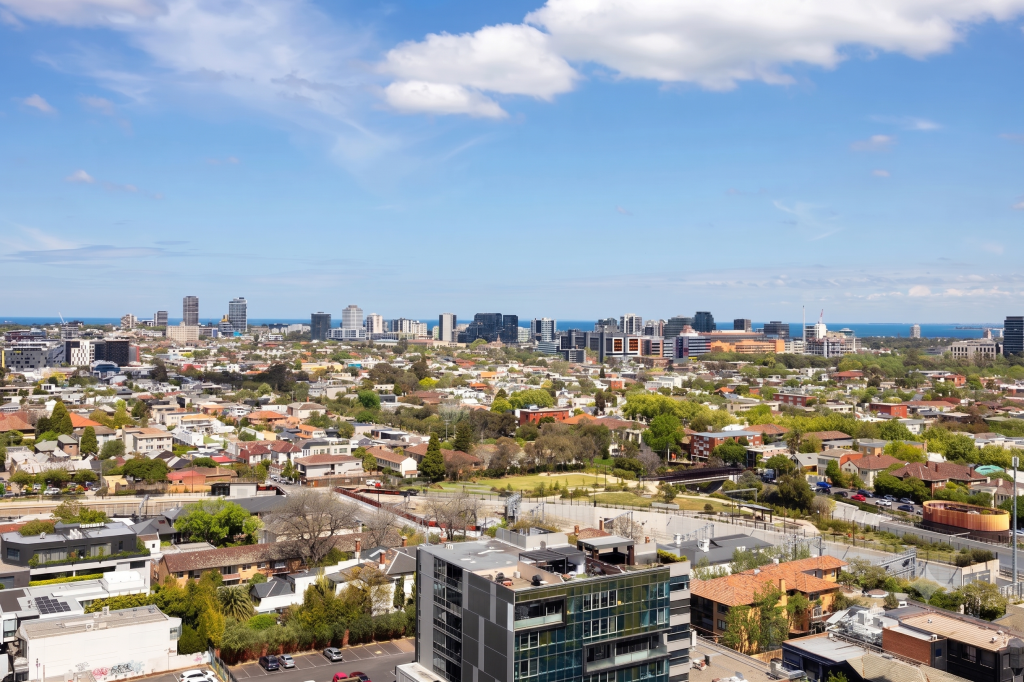






Melbourne Property Market: Challenges Create Opportunities


If there’s one thing property teaches us, it’s that markets move in cycles.
What we’re experiencing today isn’t the first market adjustment, and it certainly won’t be the last. This cycle has been driven by a combination of higher interest rates, inflation, government policy changes and broader economic uncertainty. For many people, it has been uncomfortable, and for some, genuinely painful.
But property markets like this have occurred before and history suggests they will occur again.
The question isn’t whether conditions are challenging.
The question is: What do you do in markets like this?

What I’m finding today is that for as many challenges as there are, there are also some incredible opportunities for those willing to take a longer-term view.
While sentiment across Melbourne remains subdued, particularly with a Victorian State Election approaching later this year, many interstate investors are seeing something different. They’re looking beyond the headlines and recognising what the data is telling us.
Today, Melbourne remains one of Australia’s most affordable major capital city markets. Cotality (formerly CoreLogic) data shows Melbourne’s median dwelling value is sitting around $812,000, compared to Sydney at approximately $1.28 million. That’s a difference of almost $470,000, meaning Sydney remains around 58% more expensive than Melbourne.
For investors, this pricing gap is becoming increasingly attractive.
Rental yields across Melbourne have improved significantly over recent years as rents have risen while values have remained relatively flat. Current market data shows Melbourne unit yields are commonly sitting between 4.5% and 5%, with some locations and asset classes achieving 5% to 7%+ gross returns, particularly within inner-city apartment markets.
At the same time, Melbourne continues to be one of Australia’s strongest population growth stories. Victoria added more than 124,000 residents in the year to March 2025, the largest increase of any state, while housing construction continues to lag demand.
That combination of population growth and constrained housing supply is ultimately what drives long-term property performance.
Supply and demand remain the fundamental forces that move real estate markets.
And while interest rates remain elevated today, most economists and major forecasting groups expect borrowing conditions to improve over the coming years. As affordability improves and buyer confidence returns, the shortage of quality housing stock is likely to become even more evident.
In fact, several major forecasters are already predicting Melbourne will enter a stronger growth phase, with medium-term forecasts generally pointing to positive price growth as the market recovers from a prolonged period of underperformance.
This is why many buyers are acting now.
They’re making decisions during a period when sentiment is low, competition is reduced and opportunities are more readily available.
My belief is that many people will look back on this period and wish they had been more decisive.
For those considering selling, while today’s environment may feel less comfortable than the boom conditions of previous years, it’s also an excellent time to be upsizing or downsizing. If you’re selling and buying within the same market, you’re often benefiting from the same conditions on the purchase side as well.
Every market presents challenges.
Every market also presents opportunities.
The key is recognising them before everybody else does.
If you’d like to discuss your own property plans, whether you’re considering buying, selling, investing or simply trying to make sense of the current market, feel free to reach out.
Kind regards,
Dion Besser