





Your Besser Guide to the Real Estate Market May 21st 2025


It’s official, after months of speculation, the Reserve Bank of Australia has cut interest rates for the second time this year, bringing the cash rate down once again. While there was plenty of talk around whether the drop would be 0.25 or 0.50 per cent, the RBA has taken a measured approach, opting for a 0.25 per cent reduction in light of ongoing global uncertainty, despite inflation now sitting comfortably within the target range of 2–3%.
So what does this actually mean for the property market?
It’s a bit of a mixed bag. On one hand, we now have local certainty with the federal election behind us, which typically brings a sense of calm to buyers and sellers. On the other hand, the RBA is signalling caution in the face of global instability. But here at home, the signs are becoming clearer: the mood is shifting, and buyers are coming back in bigger numbers.
Now, the big question, will the interest rate drop be enough to boost supply?
According to the National Housing Supply and Affordability Council, we’re heading toward a shortfall of 262,000 homes over the next five years. That’s a staggering gap. While construction challenges remain, we do expect more momentum to build, especially as first home buyer incentives, designed to stimulate new development, kick in from January 1, 2026, offering developers more reason to get projects underway.
With construction costs still high and supply unable to ramp up quickly, it’s becoming clear: prices are likely to move upwards.
We’re already seeing this trend locally. The number of buyers inspecting homes and getting finance approved has significantly increased this year. Now that interest rates are finally moving in the right direction, buyer confidence is building. It’s only a matter of time before that sentiment translates into more sales and stronger price growth.
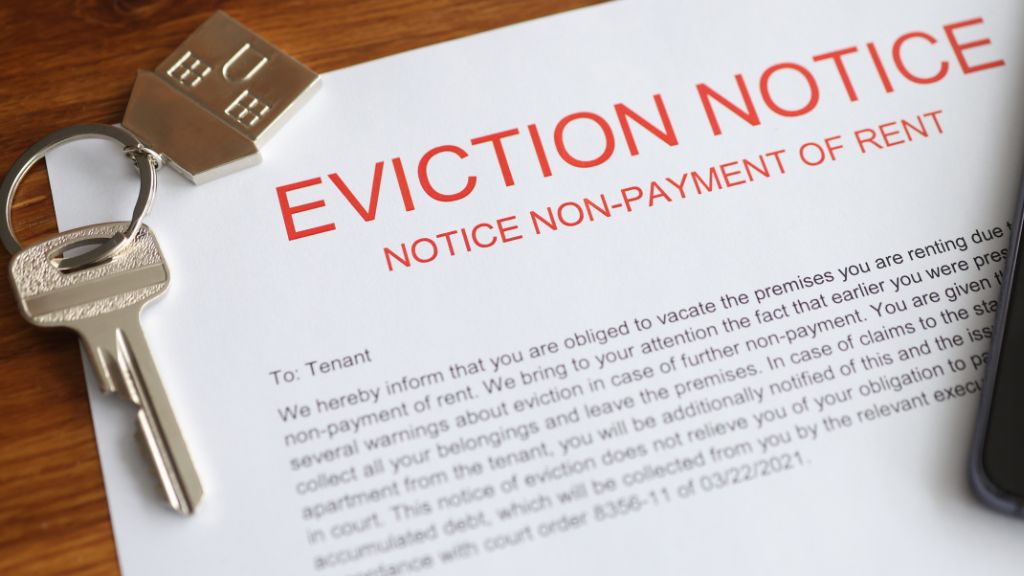
On the rental front, the story is even more pressing. With little improvement in supply and government incentives for investors still lagging, rental stock remains tight, and that means rents will continue to rise. One of Australia’s largest developers, Gurner, has publicly warned that without substantial changes in government policy, the rental crisis could persist for up to 15 years.
At Besser+Co, we’ve seen this play out firsthand. Our March stats show days on market averaging just 14.1 days, with vacancy averaging just half a day—a clear sign of how fierce demand remains. We’ve also noticed a spike in new investor interest from Perth and Brisbane, as Melbourne continues to be the most affordable capital city to invest in for 2025.
So, what’s the takeaway?
If you have the capacity, and the desire to buy a home or invest, now is the time.
We’re entering the beginning of a new cycle. Property markets move quickly once the shift begins, and historically, these cycles last 7 to 10 years. The age-old saying, “Whatever you pay today will be cheap tomorrow,” has never rung louder than it does right now.
If you want to make a move, or just explore your options, feel free to get in touch by clicking one of the links below to schedule in a time to speak.