As seen








Your Agency. Your Neighborhood.

7km


Las Chicas
Glass Merchants
Monk Bodhi Dharma

Toorak Park
Union Street Gardens
Bailey Avenue Park
Balaclava has a young demographic and is rental-heavy, with a strong demand for unit and rental stock:
Population
5,392
Average Age
20 to 39
Owner
49%
Renter
48%
Family
50%
Single
50%
As of the latest data, Balaclava’s property market is unit-dominated, with houses showing stronger recent momentum than units:

Median
1.22M
Quarterly price change
4.06% 
Median
538.75K
Quarterly price change
-0.6%
Balaclava’s latest available market data shows a median house price of market.
Auction clearance rate
22.16%
Median days on market
28 days
Balaclava’s investor profile is defined by a unit-dominated, high-density rental market close to the CBD.
Houses
17%
Units
83%
Population
5,392
Population growth
-0.07%
Median age
39 days
Owned Outright
19%
Mortgaged
30%
Rented
48%
Median asking rent per week
$917
Rental yield
3.58%
Median household size
2 people
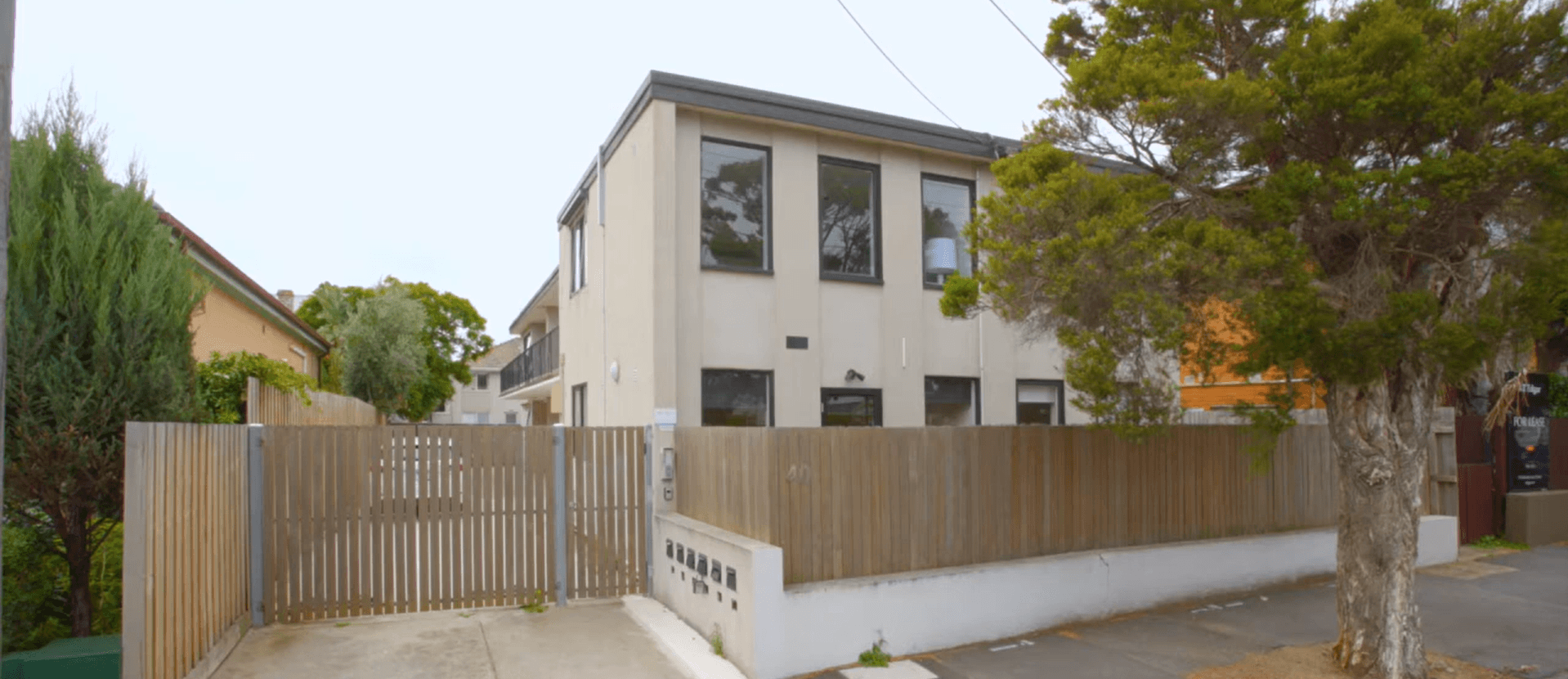

Balaclava’s significant areas are covered by heritage overlays in the City of Port Phillip Planning Scheme (Clause 43.01). These include the Nightingale Street Precinct (HO439) and the wider Heritage Overlay 7 (HO7) precinct.
Both areas have had recent heritage reviews and amendments, but it is important for owners to check the current overlay affecting their property via VicPlan or the Port Phillip Planning Scheme.
Each overlay protects a distinct chapter of the suburb’s development, and carries its own statutory permit rules for owners looking to renovate, extend, or sell.
Much of Balaclava’s heritage significance comes from its concentration of late Victorian workers’ cottages, boom-era housing and early twentieth-century residential development clustered around the railway corridor and Carlisle Street commercial strip.
Note: The Sandringham railway corridor creates a noticeable transition in Balaclava’s housing character. Areas around Carlisle Street, Chapel Street and the railway corridor contain many Victorian workers’ cottages, terraces and historic commercial buildings. At the same time, eastern sections of Balaclava feature a greater concentration of Edwardian and Interwar homes on larger residential allotments.
Following a detailed heritage review, portions of HO7 have been proposed for reorganisation into smaller precincts intended to better reflect Balaclava’s distinct mix of Victorian, Edwardian and early twentieth-century residential development.
These include the bluestone abutments of the 1858-59 railway bridge over Carlisle, Grosvenor and Nightingale Streets (HO147) and the Holy Trinity Anglican Church (HO65) on Chapel Street, built in the 1880s to the design of Reed & Barnes.
These heritage overlays aren’t static.
Port Phillip Council undertook a comprehensive review of Heritage Overlay 7 (HO7) and surrounding heritage areas to reassess property contributions, precinct boundaries and heritage significance.
Recent heritage reviews have led to changed precinct boundaries and updated property gradings in parts of Balaclava. Owners should check current heritage controls before planning renovations, extensions or redevelopment.
These changes include revised precinct boundaries, updated heritage gradings and the creation of more locally focused heritage precincts in parts of Balaclava and surrounding suburbs.
The practical takeaway for owners:
The formal review and update of overlay boundaries and contribution statuses impacting many of Balaclava’s Victorian cottages, terraces and period homes have been completed. The current schedule for a property should be checked on VicPlan or council planning schemes rather than old documents or previous vendor disclosures.
Note: These exemptions depend entirely on the property’s specific heritage schedule rather than a blanket suburb-wide rule. Two homes on the same street in Balaclava can carry different obligations – one might sit within a heritage precinct while its neighbour sits outside the overlay boundary, resulting in very different planning requirements despite being on the same street. Checking the planning schedule first prevents costly delays mid-renovation.
Heritage overlays do not automatically lower the value of a property. Period homes with character features left intact are in high demand from buyers in many parts of Balaclava, particularly around Carlisle Street and established heritage streets.
However, heritage controls can affect redevelopment potential, extension costs and renovation timeframes. Impact on value depends on the heritage rating of the property, its condition, location and future development potential.
Eligibility depends on the nature of the works, the applicable heritage overlay schedule and the extent of any streetscape impact. This carries a statutory 10-business-day decision window – substantially faster than standard applications, which frequently take several months when public notification and referral steps are required.
According to Victorian Government property sales statistics, Balaclava’s median house price is up, while the median unit price is down.
Balaclava is a rental-heavy market dominated by apartments and units. Buyers looking at period homes should verify whether the address sits within a Port Phillip Heritage Overlay (such as HO439 or HO7) via VicPlan before planning renovations or extensions.
Balaclava’s median house price provides a relatively accessible entry point compared to neighbouring St Kilda East and Elwood, while unit medians track closely with surrounding bayside suburbs.
Government quarterly data shows real volatility in Balaclava’s median prices, so rather than quote a figure that will date, we point you to our live listings.
Balaclava is known for its energetic dining strip along Carlisle Street, featuring popular local institutions like Las Chicas and Monk Bodhi Dharma. Green space and recreation are readily available at Hewison Reserve, William Street Reserve, and nearby St Kilda Botanic Gardens.